
Samsung Music
Screenshots
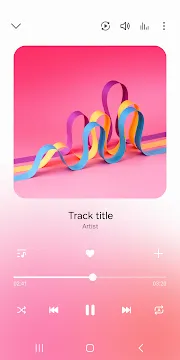

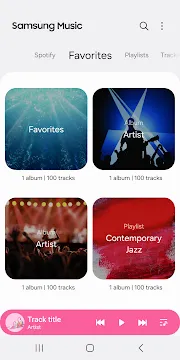
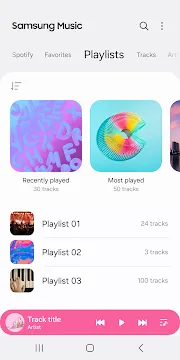
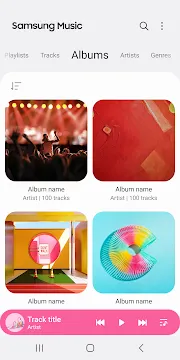
Samsung Music provides a streamlined way to enjoy your favorite songs on Android devices. This app works specifically with Samsung Galaxy phones and tablets to deliver a high-quality audio experience. It supports a wide variety of audio formats including MP3, WMA, AAC, and FLAC. Users appreciate the clean interface and the way it integrates with the device hardware.
The app does more than just play files stored on your phone. It connects with popular streaming services like Spotify to help you discover new artists. You can manage your local library and streaming content in one place. The design focuses on simplicity so you can find your music quickly.
How To Download And Install Samsung Music APK For Android
Samsung Music remains a top choice for users who want a clean and organized way to play local audio files. Many people prefer it because it integrates perfectly with Samsung hardware and offers a simple design. If your phone did not come with this app pre-installed, you can still get it manually. You only need to download the correct file and follow a few setup steps.
What Is an APK File?
Before you start, you should understand what an APK file is.
An APK is the installation file for Android apps. It works like an EXE file on Windows.
When you install an APK manually, you skip the app store. This method is useful if:
- The app is not available in your region
- You want a specific version
- You need early updates
However, you should always be careful and follow the steps correctly.
Prepare Your Device for the Installation
Android devices usually block apps that come from outside the official store. You must change a specific setting to allow the installation. This step keeps your phone safe while letting you add the software you want.
- Open the Settings menu on your Android phone.
- Scroll down and tap on Security or Privacy.
- Look for an option called Install Unknown Apps.
- Find your web browser in the list and toggle the switch to On.
This change allows your browser to run the installer file once the download finishes. You can always turn this setting off later for extra safety.
How to Download the Samsung Music APK
Finding the right file is the most important part of the process. You want the latest version to ensure all the features work correctly. Many websites host these files, so choose one that is known for safety and verified uploads.
- Open your mobile browser.
- Visit Filetomob.com.
- Search for “Samsung Music APK Download”.
- Check the version number to make sure it matches the current year.
- Tap the Download Samsung Music APK button on the website.
- Wait for the file to save to your device.
You will see a notification in your status bar when the download reaches 100%. Make sure you have enough storage space before you start.
Install the App on Your Phone
Once the file is on your phone, the actual installation takes very little time. Follow these steps to complete the setup.
- Tap the Download Complete notification.
- Alternatively, open your File Manager and go to the Downloads folder.
- Click on the file named Samsung Music.
- A prompt will appear asking if you want to install the application.
- Select Install and wait for the progress bar to finish.
The system will scan the app for threats during this stage. When it finishes, you will see a success message.
Get Started With Samsung Music App
Congratulations on installing the Samsung Music app on your Android device. This application provides a streamlined way to listen to your local audio files and manage your digital library. Since you finished the installation, you can now dive into the features to improve your listening experience. Follow this guide to learn how to navigate the interface and customize your settings.
First, Open the App
Tap the Samsung Music icon on your home screen or in your app drawer. The main screen appears. It might look empty at first. Do not worry. The app needs to find your audio files. Give it a few seconds. It scans your phone’s storage automatically.
Grant Necessary Permissions
When you open the app for the first time, it asks for specific permissions. You must allow access to your device storage. This step is vital because the app needs to find and play the music files saved on your phone.
- Select Allow when the pop-up for storage access appears.
- Enable notification permissions if you want to control music from your lock screen.
- Accept the terms and conditions to proceed to the main interface.
Explore the Main Interface
The app uses a clean layout to help you find your music quickly. You will see several tabs at the top of the screen. These tabs categorize your library into manageable sections.
- Tracks: This tab lists every individual song stored on your device in alphabetical order.
- Albums: Use this section to browse your music by the specific record or collection name.
- Artists: This view groups your songs by the musician or band name.
- Folders: This is helpful if you manually organize your music into specific folders on your SD card or internal storage.
Create Your First Playlist
Playlists allow you to group songs for different moods or activities. Creating a new list is a simple process.
- Tap the Playlists tab at the top.
- Click on Create playlist.
- Type a unique name for your list and tap Create.
- Select the songs you want to include from your library.
- Press Done to save your new collection.
Optimize Your Sound Quality
You can change how your music sounds by visiting the settings menu. Samsung includes several tools to help you get the best audio from your headphones or speakers.
- Equalizer: Tap the three dots in the top right corner and go to Settings. Look for Sound quality and effects. Here, you can choose presets like Rock, Pop, or Jazz.
- Dolby Atmos: If your device supports it, turn on Dolby Atmos for a more immersive sound experience.
- Adapt Sound: This feature tests your hearing to create a personalized sound profile. It ensures you hear every frequency clearly regardless of your age or headphone quality.
Personalize the App Tabs
You might not use every tab the app provides. You can hide the sections you do not need to keep the interface clean.
- Go to Settings by tapping the three dots.
- Select Manage tabs.
- Toggle off the categories you rarely use, such as “Composers” or “Genres.”
- Drag the icons to reorder the tabs based on your priority.
Set a Sleep Timer
If you enjoy falling asleep to music, the sleep timer is a helpful tool. It automatically stops playback after a set duration so your battery does not drain overnight.
- Open the Settings menu.
- Scroll down to find Sleep timer.
- Choose a preset time or set a custom duration.
- The music will fade out gently once the timer reaches zero.
Sync Your Global Music Library
The app does more than just play files saved on your phone. You can integrate online services to see all your music in one place.
- Spotify Integration: Navigate to the Spotify tab to see recommendations based on your taste. You can find new songs and playlists without leaving the app.
- Samsung Cloud: If you use multiple Galaxy devices, sign in to your Samsung account. This helps keep your preferences consistent across your phone and tablet.
- Manual Transfers: Connect your phone to a computer using a USB cable to move high-quality files like FLAC or ALAC directly into your music folder.
Master Smart Playback Controls
Modern playback features help you control how songs transition and repeat. These settings ensure your listening session flows perfectly.
- Gapless Playback: Enable this in the settings to remove silences between tracks. This is ideal for live albums or concept records where songs blend together.
- Crossfade: Use this feature to fade one song out while the next begins. It creates a professional, continuous mix for parties or workouts.
- Edge Lighting: If you have a Samsung phone with curved edges, turn on edge lighting. The borders of your screen will glow with colors that match the album art while music plays.
Use Advanced Audio Effects
Samsung includes deep customization for sound output. You can find these options under the Sound quality and effects menu.
- UHQ Upscaler: This setting improves the sound resolution of your music and videos. It makes your standard audio files sound clearer and more detailed.
- Dual Audio: Connect two pairs of Bluetooth headphones at once. This allows you to share your music with a friend while both of you listen at your own preferred volume levels.
- Separate App Sound: You can set the app to play music only through a specific Bluetooth speaker. This prevents other sounds, like social media alerts, from interrupting your music.
Edit Song Information
If your music files have incorrect names or missing covers, you can fix them manually. Keeping your library organized makes it easier to find songs later.
- Tap on a song or album.
- Select the three dots in the corner and tap Details.
- Choose Edit to change the title, artist, or genre.
- You can also tap the album cover image to change it with a photo from your gallery.
Add Widgets to Your Home Screen
You do not need to open the app every time you want to change a track. Adding a widget gives you instant control.
- Long-press on an empty spot on your home screen.
- Select Widgets and find Samsung Music.
- Choose a size that fits your layout.
- Place it on your screen to see song titles and playback buttons at a glance.
The Ultimate Guide to the Samsung Music App
You do not need a streaming subscription to enjoy great sound on your phone. Samsung Music proves this every day. It is a local music player. It puts your downloaded files first. The app focuses on speed, clarity, and user control. Above all, it respects your storage and your battery.
A Design Built for Focus
The User Interface (UI) follows the latest One UI design principles. This means the app places important controls near the bottom of your screen. You can reach every button with one thumb. The layout looks clean and stays free of clutter.
- Adaptive Themes: The app matches your system settings. It switches between a crisp light mode and a deep dark mode automatically.
- Visual Appeal: Large album art and smooth animations make browsing feel premium.
- Minimalist Logic: You will not find distracting ads or complex menus. Everything stays simple.
Universal Format Support
Samsung Music handles almost any file type you throw at it. You do not need to convert your files before listening. It plays standard MP3 files and high-resolution FLAC tracks with equal stability.
- Lossless Audio: Enjoy high-fidelity sound with WAV and ALAC support.
- Modern Codecs: The app easily plays AAC and M4A files often found in digital stores.
- High Performance: Even with large files, the playback remains gapless and smooth.
Effortless Library Navigation
Organizing thousands of songs can feel difficult. Samsung Music solves this with its Folder Navigation system. You can view your music exactly how you store it on your device.
- Smart Sorting: Browse by artist, album name, or song title.
- Genre Filters: Group your tracks by musical style instantly.
- Folder View: This is a fan favorite. It lets you bypass metadata and browse actual storage folders on your phone or SD card.
Sculpt Your Sound
The built-in 9-band Equalizer (EQ) puts you in charge of the audio output. You can fine-tune specific frequencies to match your headphones.
- Custom Presets: Choose from Rock, Pop, Jazz, or Classic settings.
- Manual Control: Slide the bars to boost the bass or sharpen the treble.
- SoundAssistant Ready: The app works with Samsung’s SoundAssistant tool. This allows you to set individual volumes for different apps.
Smart Playlists and Automation
The app learns your habits to help you find the right track. Smart Playlists update themselves based on your listening history.
- Recently Added: Find your newest downloads at the top of the list.
- Most Played: Access your heavy-rotation tracks without searching.
- Favorites: Tap the heart icon on any song to build a custom collection instantly.
The Spotify Integration
One unique feature is the Spotify Tab. This section bridges the gap between local files and streaming. You do not have to switch apps to find new music. It suggests trending playlists and artists based on your taste. If you see something you like, you can jump straight into the Spotify app with one tap.
Metadata and Lyrics
Keep your library looking professional with advanced editing tools. Samsung Music allows you to fix “Unknown Artist” tags easily.
- Lyrics Display: The app shows lyrics during playback. This helps you sing along or learn new songs.
- Tag Editor: You can manually edit the song title, artist name, and album year.
- Album Art: Use the editor to find and attach the correct cover art for your tracks.
Battery-Saving Sleep Timer
The Sleep Timer update focuses on efficiency. Many people listen to music to fall asleep. This tool ensures your phone does not run out of juice by morning.
- Auto-Stop: Set a timer for 10 minutes or two hours.
- Fade Out: The music gets quieter gradually before stopping.
- Deep Sleep Integration: Once the music stops, the app helps the phone enter a low-power state to save battery.
Seamless Connections
Samsung Music excels at staying connected. It handles SD Card storage perfectly. You can move your entire library to external storage to save internal space. Furthermore, it offers Smart Switch support. This makes it easy to sync your music library from a PC or an old phone. If you own Galaxy Buds, the app ensures a lag-free connection every time you open the case.
Samsung Music: Audio Quality & Performance Tools
The Samsung Music app for Android offers more than a simple way to play files. It provides a suite of tools designed to improve how you hear your favorite tracks. This app works directly with Galaxy hardware to deliver a high-quality listening experience.
Master Your Audio with the Built-in Equalizer
The built-in equalizer is the core of the app’s sound customization. It allows you to change the frequency balance to suit your ears. You can find several preset sound profiles that match different music genres.
- Bass Boost: This setting increases low-end frequencies. It adds depth and punch to hip-hop or electronic tracks.
- Treble Boost: This profile emphasizes higher frequencies. It makes vocals and instruments like cymbals sound much sharper.
- Genre Presets: You can choose from options like Pop, Classic, Jazz, or Rock. Each one adjusts the sliders automatically for the best result.
- Custom Mode: If you want full control, use the manual sliders. You can move each bar up or down to create a unique sound profile.
The app also features Adapt Sound. This tool tests your hearing and creates a custom profile based on your age and sensitivity. It ensures you hear every detail, even if your hearing varies between your left and right ears.
Immersive Sound with Dolby Atmos Integration
Samsung Music works with the Galaxy system to provide Dolby Atmos. This technology creates a spatial audio effect. Instead of hearing sound in just two channels, it feels like the music moves around you.
When you enable Dolby Atmos in your device settings, the app uses Galaxy hardware to widen the soundstage. You can choose specific modes for the best results:
- Music Mode: Focuses on clarity and instrument separation.
- Auto Mode: Changes settings based on the track you play.
- Movie or Voice: These options help when you watch music videos or listen to podcasts.
This integration makes your music feel larger and more lifelike. It turns a flat recording into a 3D environment.
Enjoy Studio Quality with Lossless Playback
For true music fans, the app supports Lossless Playback. It handles formats like FLAC and ALAC without losing any data. This means you hear the track exactly as the artist recorded it in the studio.
Standard streaming often compresses files, which removes small details. Samsung Music avoids this by playing high-resolution files directly. This feature is most effective when you use high-quality gear.
- Wired Headphones: Use the UHQ Upscaler to enhance the resolution of your audio files.
- Wireless Excellence: Pair the app with the Galaxy Buds3 Pro. These earbuds use the Samsung Seamless Codec to transmit high-quality 24-bit audio over Bluetooth.
By combining the Samsung Music app with these advanced tools, you get a professional audio setup in your pocket. The app ensures your hardware reaches its full potential. Every beat and note sounds clear, deep, and precise.
Samsung Music: Advanced Integrations (Pro Features)
Samsung Music offers more than just a basic way to play your favorite songs. While many users stick to the standard interface, the app includes several hidden features for advanced users. These “Pro” tools allow you to customize your sound and control music across multiple devices.
By using specific plugins and hardware connections, you can transform your mobile listening experience. You can manage audio output with precision, control tracks from your wrist, or stream your library to a large screen.
Enhanced Control with Good Lock Plugins
Samsung provides a customization suite called Good Lock. This suite contains plugins that unlock deep audio settings. Two specific modules, SoundAssistant and MultiStar, offer significant advantages for music lovers.
SoundAssistant for Audio Mastery
SoundAssistant gives you total control over how your phone handles noise. It allows you to customize the volume of individual apps. You can play music at a high volume while keeping game sounds quiet. The most impressive feature is Dual Audio. This allows you to output sound to two different Bluetooth devices at once.
- Adjust volume for each application separately.
- Play audio from two apps at the same time.
- Use the “Separate App Sound” feature to send music to a speaker while keeping phone calls on your handset.
- Access advanced equalizer settings to fine-tune your frequency response.
MultiStar for Better Multi-Tasking
MultiStar improves how you use apps in split-screen mode. For Samsung Music, this means the app stays active and visible even when you use other programs. It prevents the system from pausing your music when you switch focus between different windows.
Seamless Control with Galaxy Watch7 and Watch8
Your smartwatch acts as a remote for your phone. The Galaxy Watch7 and Watch8 series offer deep integration with Samsung Music. You do not need to reach for your phone to manage your queue.
- Remote Playback: Play, pause, or skip tracks directly from the watch face.
- Volume Control: Use the digital or physical bezel to turn the music up or down.
- Library Browsing: View your playlists and albums on the small screen.
- Storage Sync: Transfer local music files from your phone to your watch for offline listening during workouts.
This connection uses very little battery. It ensures your music follows you even if your phone is in another room.
Streaming with DLNA and Screen Mirroring
Samsung Music supports DLNA (Digital Living Network Alliance) technology. This allows you to stream local music files to other devices over your home Wi-Fi. You can send your high-quality FLAC or MP3 files to a Samsung TV or a smart speaker.
Using Smart View and Mirroring
Smart View allows you to mirror your phone screen to a TV. When you do this while using Samsung Music, the TV becomes your primary speaker. This is perfect for parties or when you want to see large album art while you listen.
- Connect your phone and TV to the same Wi-Fi network.
- Tap the Smart View icon in your quick settings.
- Select your Samsung TV from the list.
- The audio will immediately switch from your phone speakers to the TV sound system.
These advanced features turn a simple app into a central tool for all your audio needs. You can enjoy your music on your phone, your watch, or your home theater system without any friction.
Samsung Music: Galaxy AI Integration
The modern smartphone experience is changing quickly. Samsung is leading this shift by adding Galaxy AI to its native Music app. This update turns a standard media player into a smart companion. It learns your style and improves your files. Here is how the new features work for you.
AI Playlist Curator: Personalized Mood Mixes
The app no longer just lists your songs. It now studies how you listen to music. Galaxy AI looks at the tempo of your tracks. it identifies the genres you prefer at specific times. For example, it notices if you play slow jazz in the evening or upbeat pop during a workout.
The Curator then creates “Mood Mixes” automatically. These are not static lists. They shift based on your current habits.
- Tempo Analysis: The AI matches the beats per minute to your activity level.
- Time Awareness: It suggests calm melodies for late nights and high-energy tracks for mornings.
- Genre Blending: It finds links between different styles to keep your queue fresh.
This feature saves you time. You do not have to search for the right song anymore. The app prepares the perfect vibe before you even press play.
Audio Eraser & Enhancer: Fix Your Old Files
Many users have old recordings or low-quality voice memos. These files often sound grainy or muffled. Samsung Music now includes professional-grade tools to fix these issues. You can use the Audio Eraser to remove background noise. It targets static, wind, or distant chatter.
The AI Enhancer goes a step further. It fills in the gaps in low-bitrate audio. This process makes thin sounds feel rich and full.
- Voice Focus: It lifts vocals out of messy recordings to make them clear.
- Noise Removal: It deletes hums and clicks from legacy MP3 files.
- Quality Boost: It upgrades “voice-memos-turned-songs” into listenable tracks.
You can now enjoy your rare bootlegs and personal memories with modern clarity. It breathes new life into your entire local library.
Now Brief Sync: Music That Follows Your Day
Samsung Music now works directly with the Now Brief widget. This integration connects your sounds to your life events. The AI checks your Galaxy Calendar to see your schedule. It then prepares “Wake-up Tracks” or “Focus Flows” for your day.
If you have a big meeting, the app suggests a “Focus Flow” with ambient sounds. If you have a free morning, it picks a relaxing “Wake-up Track.”
- Calendar Context: The music changes based on your upcoming appointments.
- Smart Transitions: It shifts from a morning brief to a workout playlist seamlessly.
- Widget Control: You can see and change these suggestions right from your home screen.
This connection makes your phone more intuitive. It anticipates your needs without you opening the app. Your music finally stays in sync with your real-world routine.
Samsung Music for the Modern Ecosystem
The Samsung Music app is more than a simple player for your audio files. It works as a central part of your daily life. If you own Galaxy devices, this app creates a smooth bridge between your phone, your home, and your ears. It uses smart technology to ensure your favorite tracks follow you everywhere.
Multi-Device Handover
Imagine you are walking home while listening to a new album on your Galaxy S26. You step through the front door and want to feel the bass in the room. In the past, you had to stop the music and find a menu to connect a speaker. Now, the Samsung Music app handles this move instantly.
With the Multi-Device Handover feature, your music stays in motion. You can tap a single button on your phone to send the audio to a Samsung Music Studio 7 speaker. The transition happens without a pause or a drop in quality. If you are watching a concert video, you can even hand the sound off to a Q-Series Soundbar. The app recognizes which devices are nearby and offers them as options. This saves time and keeps the energy of your playlist alive.
Auto Switch with Galaxy Buds
Many people use a tablet for work or movies and a phone for quick tasks. Switching your headphones between these two devices used to be a chore. The Samsung Music app solves this with Auto Switch technology.
This feature works by tracking your active tasks across the Galaxy ecosystem.
- Contextual Awareness: If you are listening to a podcast on your tablet and your phone rings, your Galaxy Buds know what to do.
- Smart Prioritization: The audio shifts to the phone so you can answer the call immediately.
- Instant Return: Once you hang up, the app moves the audio back to your tablet.
- No Manual Pairing: You never have to open your Bluetooth settings to reconnect.
The app prioritizes what you need to hear in the moment. It makes multitasking feel natural instead of frustrating.
SmartThings Integration
The Samsung Music app also connects to your smart home through SmartThings. You can link your music to home automation routines to change the feel of any room. This goes beyond just playing a song; it creates an experience.
You can set up your home to react to the music you play. For example:
- Genre Sync: If you play jazz, your living room lights can dim to 20%.
- Morning Energy: Setting a lively pop track can trigger your smart blinds to open.
- Party Mode: Fast-paced dance music can turn on colorful light patterns across your smart bulbs.
By linking your music to your “vibe,” the app helps you control your environment. You do not need to open multiple apps to set the mood. You simply start your playlist and let your home follow the rhythm.
A Unified Experience
Samsung Music provides a clean and fast way to manage your local library and streaming content. It uses high-quality audio standards to make sure every note is clear. Because the app is built for the Galaxy ecosystem, it stays light on your battery and heavy on features. It adapts to your hardware to give you the best possible sound every time you press play.
Maximizing Samsung Music on Android Auto
Using Samsung Music with Android Auto allows you to enjoy your local library while staying focused on the road. This integration provides a clean way to manage your songs without relying on streaming services. Follow this guide to set up the app and solve common connection hurdles.
Essential Setup for Wireless Connection
To use Samsung Music wirelessly, you must ensure the car system recognizes it as your primary audio source.
- Set the Default App: Open your phone settings and navigate to the Android Auto menu. Look for the Customize Launcher section. Ensure Samsung Music is checked and moved to the top of the list.
- Permissions: Grant the app all necessary background permissions. This step ensures the music does not stop when you switch to a navigation screen.
Automatic Playback: You can toggle the Start music automatically setting within Android Auto. This allows your favorite tracks to begin playing the moment your phone connects to the head - unit.
Navigation and Interface Features
The interface on your car screen prioritizes safety. It uses a simplified layout to minimize distractions.
- Large Control Buttons: You will see oversized icons for play, pause, and skipping tracks. These large touch targets allow you to change songs quickly without taking your eyes off the road for long.
- Visual Aesthetics: The display often features a modern, wavy progress bar. While album art is optional, enabling it adds a vibrant look to your dashboard. If you prefer a cleaner look, you can disable the art in the app settings to show only text.
- Secondary Controls: Features like shuffle and repeat are usually tucked into a sub-menu. This keeps the main screen uncluttered and easy to read at a glance.
Using Voice Commands for Hands-Free Control
Voice commands are the safest way to browse your library while driving. Samsung Music integrates deeply with the system assistant to execute requests reliably.
- Specific Requests: You can say, “Play artist Radiohead,” and the system will instantly scan your local files to start the discography.
- Album and Song Search: Command the system to play specific albums or individual tracks by name.
- Reliability: Using voice prevents the need to scroll through long lists on a touch screen. This keeps your hands on the wheel and your focus on traffic.
Solving Common Android Auto Issues
Technical glitches can occasionally interrupt your listening experience. Most problems have simple fixes.
- Playlist Not Loading: If your playlists appear empty or fail to load, you should clear the Android Auto cache. Go to your phone’s App settings, find Android Auto, and select “Clear Cache” under the storage menu. This refreshes the link between your phone and the car.
- Music Skipping: If the audio stutters or stops when the phone screen locks, check your battery optimization settings. Set the Samsung Music app to “Unrestricted” or “Never Sleeping.” This prevents the phone from killing the app process to save power.
Create Safer Driving Playlists
Preparation is key to a smooth drive. Instead of searching for songs mid-trip, organize your music beforehand.
- Driving Mode Folder: Create a dedicated favorite folder labeled “Driving Mode.” Fill it with upbeat or long-form tracks that do not require frequent skipping.
- Easy Access: By having a curated list ready, you only need one tap to start your audio journey. This organizational habit significantly reduces screen interaction and promotes safer driving habits.
Frequently Asked Questions About Samsung Music App For Android
What File Formats Does Samsung Music Support?
You can play a wide variety of audio files using this app. It handles standard formats and high-quality files with ease. Most users rely on it for everyday listening and professional audio playback.
Supported formats include:
- MP3 and AAC: These are the most common formats for digital music.
- FLAC: This format provides high-resolution, lossless audio for audiophiles.
- WMA, OGG, and WAV: These formats work well for various recording and system sounds.
How Do I Create and Manage Playlists?
Creating a playlist helps you organize your songs by mood or activity. You can build these lists directly within the app.
- Open the app and tap the Playlists tab.
- Select Create playlist and give it a name.
- Tap Add tracks to pick songs from your library.
- Press Done to save your selection.
You can also change the order of songs. Simply tap the edit icon and drag the tracks to your preferred position. This gives you full control over your listening session.
Can I Use a Sleep Timer?
Many people enjoy falling asleep to music. The Samsung Music app includes a built-in timer to turn off the sound automatically. This prevents your battery from draining overnight.
To set the timer:
- Go to Settings within the app.
- Find the Sleep timer option.
- Choose a duration like 30 minutes or one hour.
- Tap Start to begin the countdown.
How Do I Hide Folders from My Library?
Sometimes, your phone contains audio files you do not want in your music list. Examples include call recordings or game sound effects. You can hide these specific folders to keep your library clean.
First, go to the Folders tab. Tap the three dots in the top corner and select Hide folders. Check the boxes for the folders you want to remove from view. This ensures only your actual music appears in your library.
How Do I Fix Songs Not Showing Up?
If you recently added new music but cannot see it, try these steps:
- Check the file location: Ensure the files are in a folder the app can scan.
- Refresh the library: Close the app and open it again.
- Check permissions: Go to your phone settings and ensure the app has permission to access your storage.
- Scan for media: Use a file manager app to move files into the “Music” folder.
Can I Control Music from the Lock Screen?
The app integrates perfectly with the Android lock screen. You can play, pause, or skip tracks without unlocking your phone. You can also enable the “Music Controller” in the settings to see a mini-player on your Always On Display. This makes it easy to manage your audio while you are on the move.
Can I Edit Song Information Manually?
You can easily fix incorrect song titles or artist names. This keeps your library organized and professional.
To edit track details:
- Find the song you want to change.
- Tap the three dots next to the title.
- Select Track details or Edit.
- Update the title, album name, or artist.
- Tap Save to apply the changes.
How Can I Prevent Music from Stopping?
Sometimes, Android closes background apps to save battery. If your music stops unexpectedly, you may need to adjust your battery settings.
Follow these steps to keep the music playing:
- Go to your phone Settings.
- Tap on Apps and find Samsung Music.
- Select Battery.
- Choose the Unrestricted option.
This setting ensures the app remains active even when you use other programs or lock your screen.
How Do I Change the Sound Quality?
Samsung Music works with your phone’s system audio tools to improve sound. You can use the SoundAlive or Dolby Atmos features for a better experience.
To find these tools:
- Open the app Settings.
- Tap on Sound quality and effects.
- Enable Dolby Atmos for a surround sound feel.
- Use the Equalizer to boost the bass or adjust the treble.
Can I Share My Playlists with Others?
Sharing music with friends is simple. You can send your favorite playlists as a file or a list.
Go to your playlists and select the one you want to share. Tap the menu icon and choose Share. You can send the list via messaging apps, email, or Bluetooth. This allows others to see your music taste and download the same tracks.
Does the App Support External Storage?
The app works perfectly with SD cards. It automatically scans your external storage for compatible audio files. If you move your music library to a memory card, the app will find the tracks and display them in your library. You do not need to move the files back to your internal memory to play them.
How Do I Use the Music Widget?
You can add a player to your home screen for quick access. This allows you to skip songs without opening the app.
- Long-press an empty space on your home screen.
- Tap Widgets.
- Find Samsung Music in the list.
- Choose a widget size and drag it to your screen.